5 Missteps in AI SaaS Development
Uncover the top mistakes in AI SaaS development, focusing on infrastructure and UI priorities. Avoid these pitfalls to succeed!
5 Missteps in AI SaaS Development
In the rapidly evolving world of AI SaaS development, even seasoned entrepreneurs can find themselves navigating choppy waters. As someone who has built multiple high-growth companies in the AI and SaaS space, I’ve seen what can derail promising projects. Here’s a deep dive into five common missteps you must avoid.
1. Ignoring Infrastructure Scalability
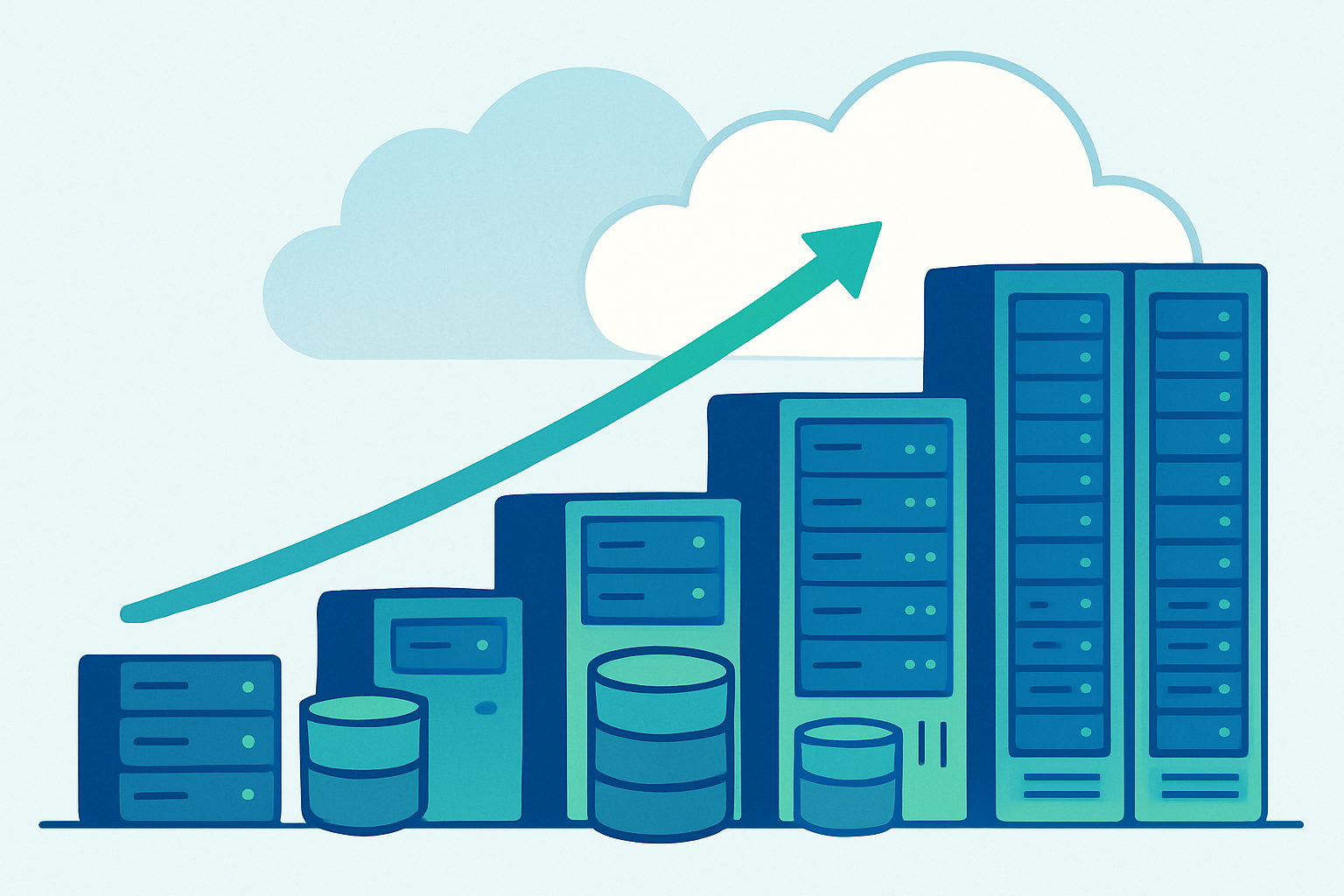
Starting small is often necessary, but ignoring scalability can lead to catastrophic failures as user demand grows. Your infrastructure must support scaling seamlessly as user bases expand.
How to Avoid It:
- Adopt Cloud Solutions: Use scalable cloud platforms like AWS or Google Cloud that adjust resources based on demand.
- Implement Microservices Architecture: Break down applications into decoupled services to ensure flexibility and easy upgrades.
- Focus on API Rate Limiting: Control network traffic to ensure performance stability during traffic spikes.
Proven Insight: At TriFin Labs, we integrated scalable solutions from day one, saving months of potential time lost in unforeseen migrations.
2. Overcomplicating User Interfaces
Simplicity is key in UI design. Overcomplicated interfaces can alienate users and reduce engagement.
How to Avoid It:
- User-Centric Design: Involve users in the design process. Gather feedback early and often.
- Prioritize Key Features: Develop MVPs by focusing on essential features, adding complex functionalities only when necessary.
- Consistent Design Patterns: Use familiar design elements to reduce the learning curve.
Real-World Example: Enlyt Health employed user-centric design, ensuring healthcare professionals were involved in every interface tweak, resulting in widespread adoption and engagement.

3. Neglecting Data Privacy and Compliance
With AI systems handling sensitive data, neglecting data privacy and compliance can lead to legal troubles and erosion of user trust.
How to Avoid It:
- Understand Regulations: Stay updated on GDPR, HIPAA, and other regulations relevant to your sector.
- Incorporate Security Protocols: Use encryption and anonymization to protect user data.
- Regular Compliance Audits: Conduct regular checks and updates to ensure compliance standards are met.
Value Addition: At Kodey.ai, prioritizing compliance didn't just keep us safe from legal pitfalls; it also became a selling point to our clients, reinforcing trust.
4. Undervaluing AI Training and Maintenance
AI tools require continuous training and maintenance to stay relevant and accurate. Failing to dedicate resources to this process can render an AI SaaS ineffective.
How to Avoid It:
- Allocate Resources for Ongoing Training: Invest in team and infrastructure to keep AI models well-trained.
- Monitor AI Performance: Use analytics to track performance and identify when retraining is necessary.
- Update Algorithms: Regularly refine algorithms based on new data and user interactions.
Practical Insight: Our work with AI-driven solutions reinforced the necessity of continuous model refinement, which we wove into the lifecycle management of our platforms.
5. Misaligning Integration Strategies with User Needs
Failing to align integration strategies with actual user workflows can cause friction and hinder adoption.
How to Avoid It:
- Engage with Users Early: Frequent testing with real users helps ensure integrations enhance workflows rather than disrupt them.
- API-Driven Development: Provide robust APIs that allow easy integration with existing tools and workflows.
- Iterative Development Process: Employ an agile approach, incorporating user feedback at every stage to iteratively improve integrations.
Scott's Experience: At Salesforce, seamless integration was non-negotiable. We ensured that the architectures were not only sound but deeply integrated into users' everyday processes.
Conclusion
Avoiding these common pitfalls can set your AI SaaS development on the path to success. By prioritizing scalable infrastructure, intuitive UI, data compliance, continuous AI maintenance, and user-aligned integrations, you’re not just building software—you’re creating solutions engineered for growth and resilience.
Embrace these strategies, and like the companies I’ve built, yours can also chart a course toward sustainable success in the dynamic AI landscape.
Want to avoid these mistakes in your development journey? Reach out to explore how I can support your project with experienced insights and hands-on solutions.
Remember, in AI SaaS development, strategy that doesn't ship is just expensive theater. Let's build something extraordinary.
Ready to build something great?
Let's discuss how I can help with your AI strategy or technical leadership needs.
Start a Conversation